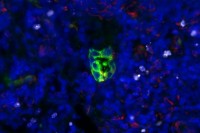
A team of scientists at the Sloan Kettering Institute has identified the STING cellular signaling pathway as a key player in keeping dormant cancer cells from progressing into aggressive tumors months, or even years, after they’ve escaped from a primary tumor.
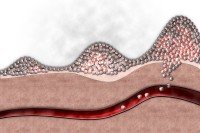
In the Lab
Scientists are learning that — in a literal sense — metastasis is wound healing gone wrong.
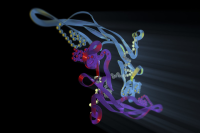
Feature
Drugs that block the action of TGF-ß may make checkpoint inhibitors more effective.

MSK Heroes
In honor of Women's History Month, meet the scientific hero who helped build MSK's molecular biology program.

Feature
Through converging lines of research in stem cell biology, tissue regeneration, and immunity, Sloan Kettering Institute scientists are learning what makes metastatic cancer cells tick.

Feature
MSK colleagues pay tribute to molecular biologist Jerard Hurwitz’s scientific accomplishments and passion for discovery.
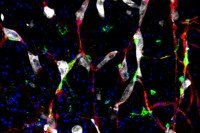
In the Lab
Targeting this signal with drugs might be one way to stop cancers from spreading.

In the News
As 2017 draws to a close, take a look back at the scientific discoveries that deepened our understanding of cancer in the past year.

In the Lab
MSK investigators are learning how cancer cells escape from the original tumor and hide out in the body. Their goal is to prevent metastatic tumors from forming.

In the Lab
Research is providing new clues about how cancer spreads to spinal fluid, a condition called leptomeningeal metastasis.

Announcement
Long-awaited results of clinical trials testing targeted drugs and immunotherapy combinations were on offer at the annual American Association for Cancer Research (AACR) conference.

In the Lab
Cancer cells have a sneaky ability to hide out in the body for years at a time. MSK scientists are looking for ways to flush them out.

In the Lab
A new study led by MSK investigators reveals how some cancer cells become resistant to targeted treatment and suggests what might be done to stop that from happening.
In the Lab
Researchers have gained new understanding of how tumors metastasize by studying the behavior of exceptional breast and lung cancer cells that are capable of entering the brain and surviving there.

Announcement
Internationally recognized cancer biologist Joan Massagué has been named Director of the Sloan Kettering Institute. He was previously Chair of the Cancer Biology and Genetics Program at Memorial Sloan Kettering.

In the Lab
A team of investigators from Memorial Sloan Kettering has shown for the first time that tumor growth, metastasis, and chemotherapy resistance are connected to the same molecular changes inside breast cancer cells.
In the Lab
Scientists have identified genes and biological mechanisms that one day could be targeted with drugs to stop kidney cancer from spreading to the bone, brain, or other organs.
Three Memorial Sloan Kettering Cancer Center investigators -- including the Center's new President, Craig B. Thompson -- have been featured with singer-songwriter Debbie Harry to lead the Geoffrey Beene Gives Back® 2010 Rock Stars of Science™ campaign in GQ magazine's December "Men of the Year" issue.
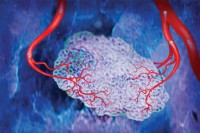
A recent Memorial Sloan Kettering study shows that some circulating tumor cells can circle back and infiltrate their tumor of origin, enhancing its growth and aggressiveness.

The Metastasis Research Center has brought together 27 Memorial Sloan Kettering laboratories to facilitate research on metastasis and its treatment.

New research led by investigators at Memorial Sloan Kettering Cancer Center sheds light on a genetic function that gives breast cancer cells the ability to survive and spread to the bone years after treatment has been administered.

Joan Massagué, Chair of the Cancer Biology and Genetics Program in the Sloan Kettering Institute, has been named the recipient of two prestigious awards.

New research led by investigators at Memorial Sloan Kettering Cancer Center identifies three genes that specifically mediate the metastasis, or spread, of breast cancer to the brain and illuminates the mechanisms by which this spread occurs.