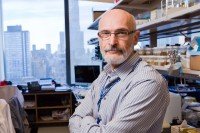
A Moscow native, immunologist Alexander Rudensky has had a lifelong interest in scientific discovery.

In the Lab
Investigators have shown how gut microbes promote the formation of a type of immune cell called regulatory T cells.

Feature
Through converging lines of research in stem cell biology, tissue regeneration, and immunity, Sloan Kettering Institute scientists are learning what makes metastatic cancer cells tick.

In the Lab
Sloan Kettering Institute investigators are taking important steps toward being able to identify all the cell types in tumors. With this information, they can figure out how the cells work together.
In the News
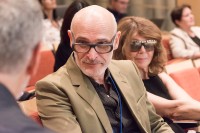
One of MSK’s leading immunologists turned 60 on Friday, and scientists came to celebrate.
Q&A
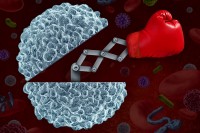
A protein on certain immune cells is a promising target for making immunotherapy more effective against breast cancer.

Announcement
Immunologist Alexander Rudensky and medical oncologist and immunologist Jedd Wolchok are investigating innovative ways to use the immune system to fight cancer.
Profile
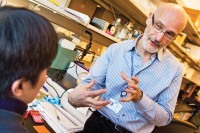
Alexander Rudensky’s research focuses on the role of a subset of white blood cells called regulatory T cells, which are believed to suppress the immune system’s ability to fight tumors.
Announcement
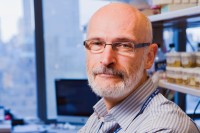
Dr. Rudensky studies the development of white blood cells called T lymphocytes, which participate in the immune system response to infection. He joined the Sloan Kettering Institute in 2009.
Honors
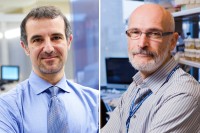
Structural Biology Program Chair Nikola P. Pavletich and immunologist Alexander Y. Rudensky have received one of the highest honors given to scientists working in the United States.
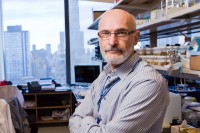
A team of researchers led by Memorial Sloan Kettering immunologist Alexander Rudensky has gained new understanding about regulatory T cells -- a subtype of immune cells that suppresses the immune system's reactivity.


