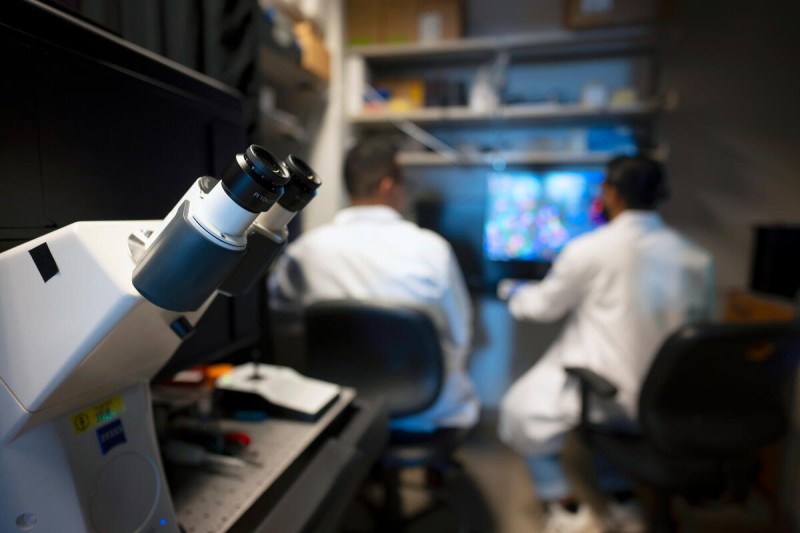
It’s that time of year, when aspiring scientists across the nation and the world are deciding where to pursue their doctoral degrees in biomedical research. The competition is intense, and the decision is a major life commitment. The PhD, or Doctorate of Philosophy, is the highest degree in research. It requires five to seven years of study and is awarded to those who have contributed to the creation of new knowledge.
Since its founding 19 years ago, the Gerstner Sloan Kettering Graduate School of Biomedical Sciences (GSK) has attracted bright minds drawn to its connection to Memorial Sloan Kettering Cancer Center (MSK). GSK students receive close mentorship from 130 world-class experts, and their exposure spans the spectrum from basic science to translational research to clinical trial studies. Through their doctoral training, students develop important career-building skills, such as the ability to generate and test hypotheses, think quantitatively, and critically analyze research from different disciplines.
Why Get a PhD at GSK?
The data demonstrates the success of GSK graduates:
- Graduates have published more than 800 papers.
- They have competed successfully for more than 80 independent graduate research fellowships, such as those from the National Institutes of Health and the National Science Foundation.
- Directly after graduation, nearly half of alumni pursue postdoctoral positions in academia.
- About a quarter land jobs in the biotech and pharmaceutical industries.
- Others launch science-related careers in business and finance, including positions as biotech analysts, science writers, biotech firm managers, and consultants.
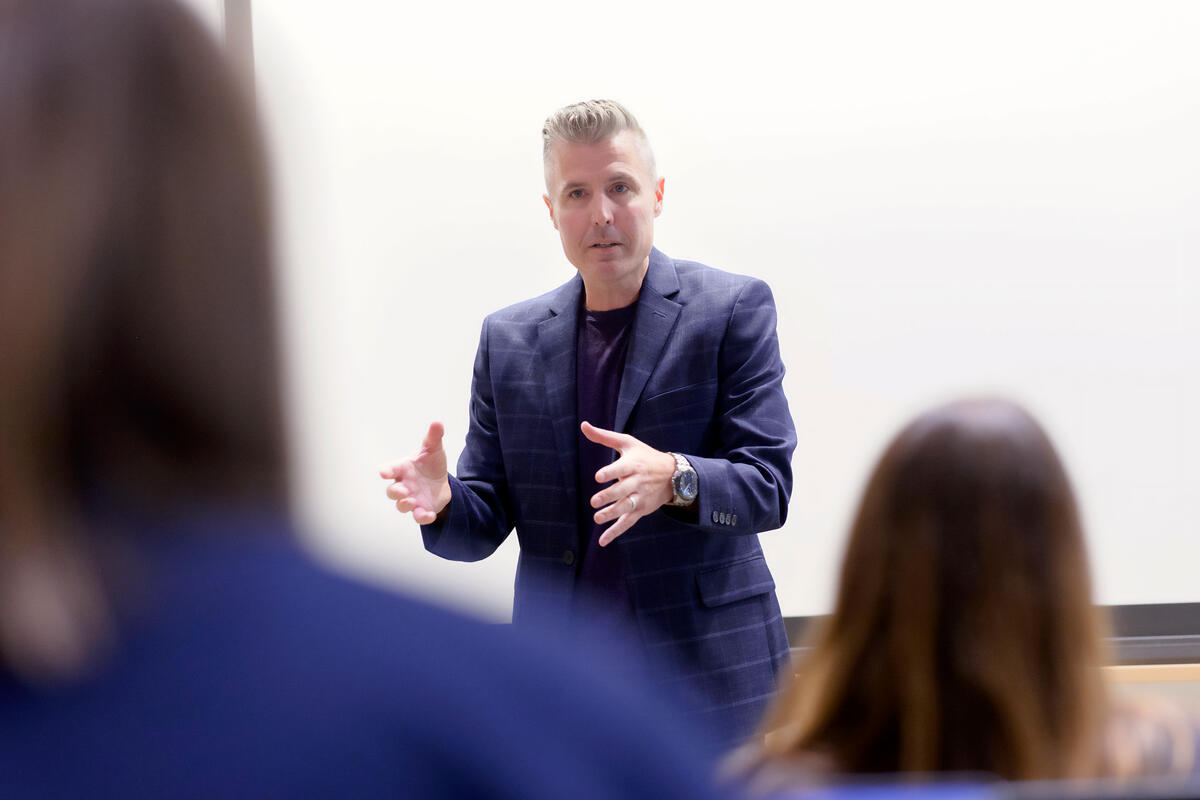
A visionary gift made more than two decades ago by MSK Trustee and Chair Emeritus of the GSK Board Louis V. Gerstner, Jr., established MSK as a degree-granting institution. Thanks to the continued generosity of the MSK Giving Community, GSK now offers two learning tracks: cancer biology and cancer engineering.
“Each one of us is committed to offering the personal attention, mentorship, and opportunities for professional development that students need to plan for a successful and fulfilling career in the biomedical sciences, wherever they want to go next — whether it be academia, industry, business, or government,” GSK Dean Michael Overholtzer says.
A Lifelong Passion To Become a Cancer Biology Researcher
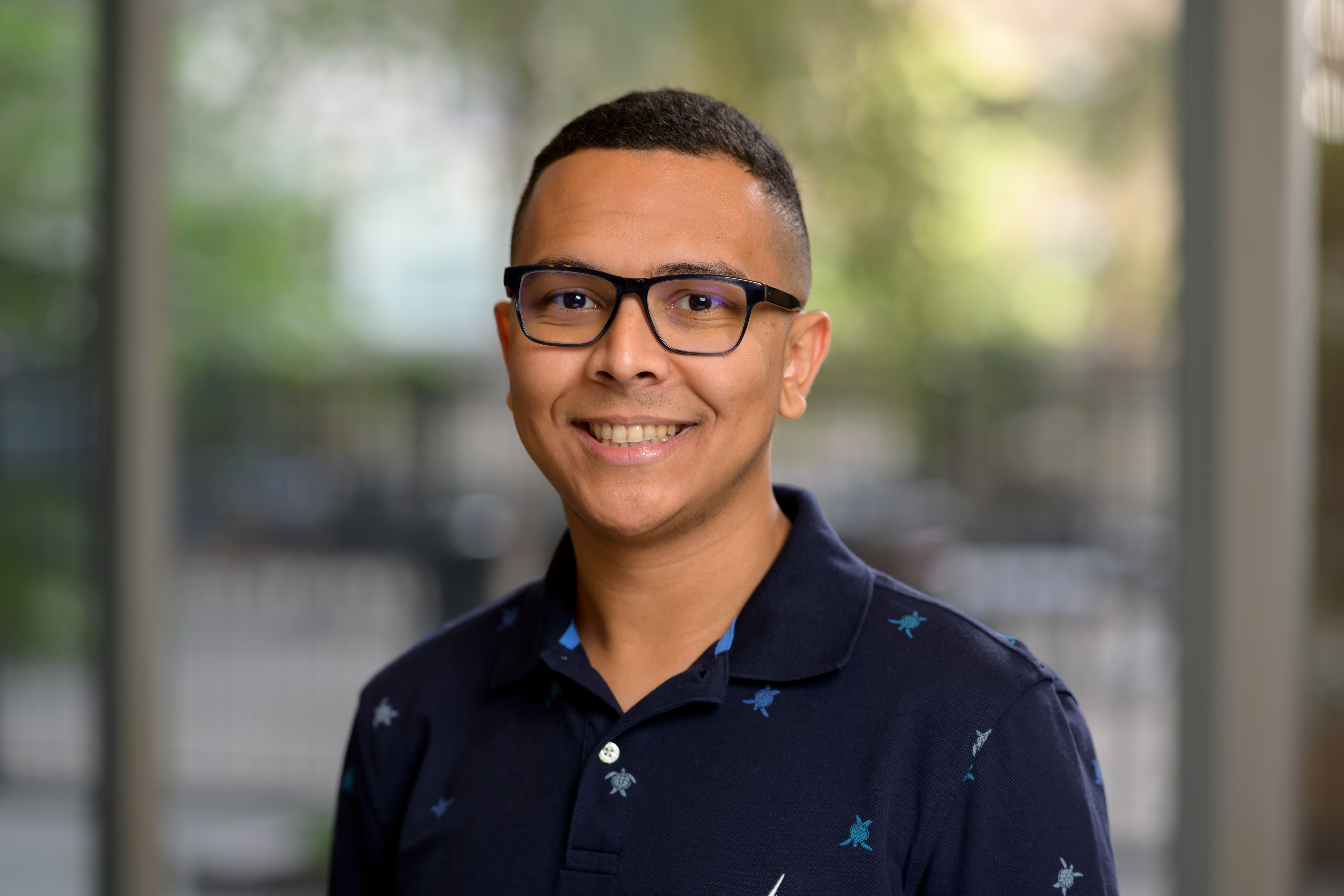
Fifth-year PhD student Jesús Romero-Pichardo came to GSK from Puerto Rico, where he grew up. Inspired to help others by his parents, who worked in healthcare, he decided at a young age to pursue cancer research.
He first came to MSK when he was a junior in college at the University of Puerto Rico at Mayagüez. Through a summer program, he worked in the lab of David Scheinberg, MD, PhD, Vincent Astor Chair, Chair of the Center for Experimental Therapeutics, and Deputy Director of Therapeutic Discovery at Sloan Kettering Institute. This early exposure to a giant in the field, who is known for his generous and unpretentious manner, solidified Romero-Pichardo’s interest in pursuing cancer research, and he was proud to be accepted to join GSK as a graduate student in cancer biology in 2021.
This year, the program was named the Friedman Family Doctoral Program in Cancer Biology in honor of MSK Trustee Stephen Friedman and his wife, Barbara, in recognition of their generous support of the program through their Friedman Family Foundation. This PhD track provides students with comprehensive training that combines MSK’s basic science and clinical research arms. Since the program began, it has graduated more than 130 students. The highly competitive program features class sizes of up to 12 students a year.
“GSK is an incredible opportunity to train at one of the top cancer centers in the world,” Romero-Pichardo says.
He chose to work in the lab of immunologist Justin Perry, PhD, where he studies metabolic pathways and how they can be targeted to treat cancer and immune-related disorders. During lab rotations in his first year, he was drawn to the Perry Lab not only because of the subject matter but also because of the lab’s environment.
“When I rotated in the Perry Lab, I really clicked with a lot of the people,” says Romero-Pichardo, who values GSK’s small class size and tight-knit community, which fosters invigorating scientific discussions. “It’s been an amazing opportunity to come to a place with such resources and be able to learn from people at all levels — lab heads, postdocs, and other graduate students.”
As he approaches the end of his graduate studies, Romero-Pichardo is eager to publish his findings and continue working in academic research after he graduates.
Bridging Technology and Medicine
The second PhD track at GSK is the first of its kind in the country. The Pat and Ian Cook Doctoral Program in Cancer Engineering offers a unique opportunity for promising engineers to gain a deeper understanding of cancer biology while developing new tools to solve problems in the lab and the clinic. This past August, the program enrolled its second class of students, who are training to become world leaders in technology-focused cancer research.
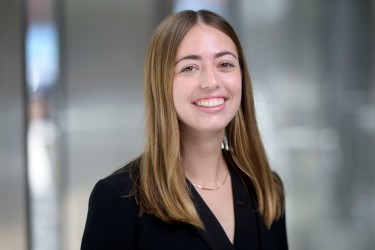
A member of the inaugural class, Cook Program PhD student Elana Sverdlik grew up around medicine. Her grandfather was a cardiovascular surgeon, and her mother is a radiation oncologist. Sverdlik drew a connection between medicine and technology at an early age. During high school, she spent her summers at Caltech conducting laboratory work in chemical and biomedical engineering, and at the University of Southern California as a surgical oncology laboratory assistant.
As an undergraduate student at Princeton University, Sverdlik concentrated in electrical and computer engineering and worked in laboratories studying topics ranging from data transmission to machine learning to medical device development. There, she realized she had a desire to improve diagnostics and the treatment of human disease, but that an important piece was missing.
“To solve unmet medical needs, I need to truly understand them,” Sverdlik says. “That’s why I chose to do my PhD at GSK — to broaden my education beyond engineering to understand biology and medicine.”
Now in her second year as a cancer engineering student, Sverdlik has joined the lab of Wesley Tansey, PhD, where she is developing statistical machine learning methods to study rare cancers. She is building these methods to identify patterns in massive sets of genetic data with the goal of understanding how cells are arranged within tumors, how they communicate with one another, and how these factors influence cancer progression and response to treatment.
Sverdlik credits Dr. Tansey for his hands-on approach to mentorship and education. “He’s not only interested in running a lab that gets great results,” she says, “but he’s also deeply committed to teaching classes and creating a learning environment.”
Her lab studies and coursework are supplemented by facility tours and lectures organized by GSK leadership. Sverdlik and her fellow Cook Program students meet with teams across MSK from fields like surgical robotics, imaging technology, and lab medicine, which gives them an interdisciplinary perspective that is helping her tackle complex problems in cancer research.
Sverdlik is also grateful to have the support of her classmates. A member of the first class of students to join the Cook Program, she says they are exceptionally close. Sverdlik learns from her peers with strong backgrounds in biology and immunology, while she’s happy to assist with coding or math concepts.
“Everyone is excited to be here,” she says. “I feel immense gratitude to be conducting research with the support of such a talented and intellectually curious group of young scientists.”
How Philanthropy Fuels Innovation
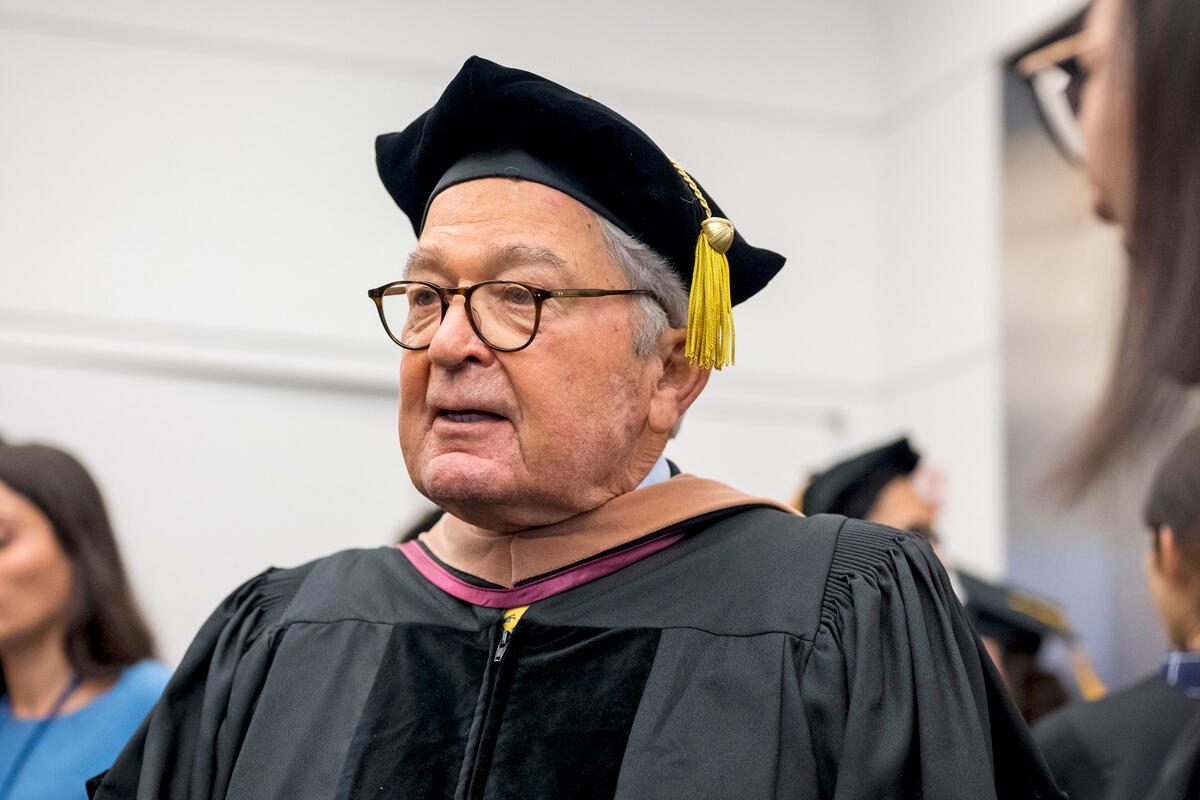
Philanthropy has been the basis of GSK’s success since the beginning. MSK donors will also ensure the future excellence of GSK in the years to come, advancing students’ scientific journeys as they become the next generation of leaders in cancer science.
“It is a privilege to support GSK graduate students at this foundational stage in their careers,” Mr. Gerstner says. “Their curiosity and dedication continue to inspire me, and I take tremendous pride in their professional achievements and the discoveries they make about today’s most pressing biological and clinical challenges.”
The generosity of MSK donors serves as a reminder of what every GSK student is striving for — more answers, better treatments, and the promise of new cures.