
In the Clinic
For personalized treatment to work, it’s important to analyze each person’s tumor for genetic mutations and find the best drugs to target those mutations.

In the Lab
The multicenter project, which yielded dozens of scientific papers on more than 30 different kinds of cancer, has officially drawn to a close.
In the Lab
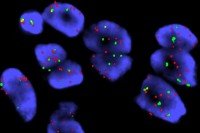
Multiple copies of a gene called YES1 appear to be responsible for certain precision drugs losing their effectiveness.

Feature
Spend a day with the expert team in MSK's world-renowned sarcoma service.

Memorial Sloan Kettering physicians have experience and specialized expertise in caring for people with uncommon cancers.

In a large-scale genomic analysis of the most common and aggressive type of ovarian cancer, researchers from Memorial Sloan Kettering and other centers identified genetic mutations and pathways that set the disease apart from other types of ovarian cancer and other solid tumors.
Media Advisory
According to a large-scale genomic analysis of the most common and aggressive type of ovarian cancer, researchers from Memorial Sloan- Kettering Cancer Center and other centers within The Cancer Genome Atlas (TCGA) project identified genetic mutations and pathways that distinctly set the disease apart not only from other types of ovarian cancer, but from other solid tumors as well.
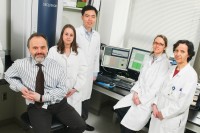
Memorial Sloan Kettering has made an important step forward in efficiently diagnosing gene mutations in patients' cancers on an individual basis.
A new study by researchers at Memorial Sloan Kettering Cancer Center reveals the genetic underpinnings of what causes lung cancer to quickly metastasize, or spread, to the brain and the bone - the two most prominent sites of lung cancer relapse.