Immunology Program
The Ming Li Lab
Research

Ming Li, PhD
David H. Koch Chair in Immunological Studies
Professor
Professor
The pervasive influence of the immune system on human health and disease underscores the importance of a mechanistic understanding of immune regulation under pathophysiological conditions such as cancer. Cancer immunology research in my laboratory aims to decipher the cellular and molecular basis of tumor-elicited innate and adaptive immune responses and develop mechanism-based interventions to unlock the untapped potential of the immune system for cancer therapy.

Featured News
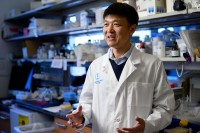
Study by study, Dr. Ming Li's lab at MSK is sharing new insights into the molecular and cellular mechanisms involved in immune regulation.
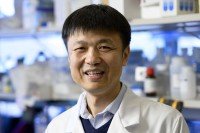
The new cells, which the scientists have dubbed killer innate-like T cells, differ in several notable ways from the conventional target of many immunotherapies.
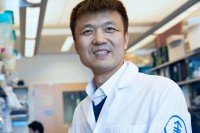
Scientists have long known that cancer cells and immune cells have an uncommon hunger for glucose but haven’t understood why. A new study offers an answer.
People
Ming Li, PhD
David H. Koch Chair in Immunological Studies
Professor
- Immunologist Ming Li studies mechanisms of immune regulation, and their relevance to diseases including cancer.
- PhD, Columbia University
- [email protected]
- Email Address
- 646-888-2371
- Office Phone
Members


Research Technician
MD Fellow

Research Scholar
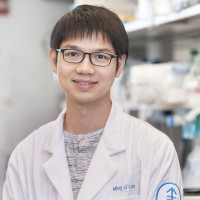
Research Associate

Research Fellow
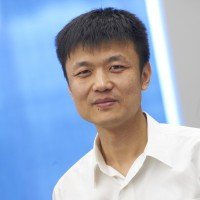
Member and Immunologist; David H. Koch Chair in Immunologic Studies #1
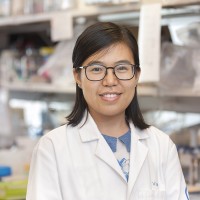
Senior Research Scientist

Senior Administrative Assistant
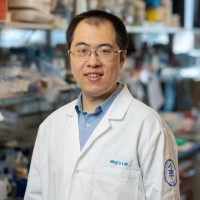
Research Associate
Research Associate


Research Technician
Research Fellow

Graduate Student
Graduate Student
Graduate Student
Research Fellow

Cancer Vaccines Researcher, Moderna

Research Scholar

Research Fellow
Research Fellow
Research Technician
Graduate Student
Research Fellow
Research Technician

Research Technician
Senior Research Technician
Research Fellow
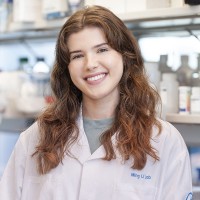
Research Technician
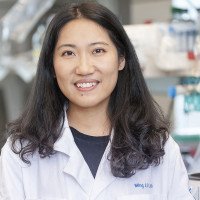
Scientist III, Genentech
Administrative Assistant II
Research Fellow

Graduate Student
Lab Technician

Senior Science Policy Analyst, American Association of Immunologists
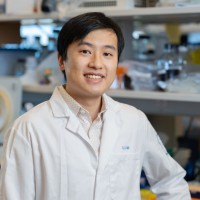
Research Fellow
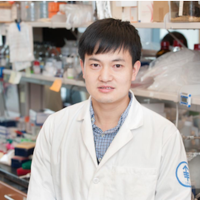
Research Fellow
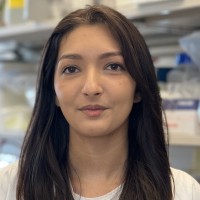
Research Technician

Senior Administrative Assistant
Research Fellow
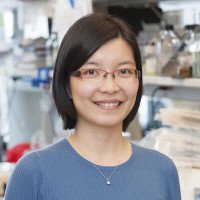
Research Scholar

Global Project Head, Sanofi
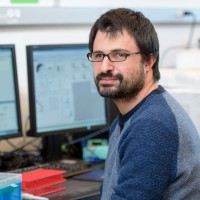
Research Scholar
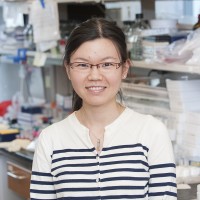
Research Scholar
Senior Research Scientist
Graduate Student

Research Technician
Research Associate
Achievements
- Clarivate Highly Cited Researcher (2022)
- American Association for the Advancement of Science Fellow (2021)
- Howard Hughes Medical Institute Faculty Scholar (2016)
- AAI-BD Biosciences Investigator Award for Outstanding Contributions to the Field of Immunology (2016)
- Scholar, Leukemia and Lymphoma Society (2014)
- Louise and Allston Boyer Young Investigator Award for Basic Research (2012)
- Scholar, American Cancer Society (2012)
- Scholar, Rita Allen Foundation (2008)